Download

Tomb Raider Bow Guide: Master Lara's Most Important Weapon

A complete bow guide for Tomb Raider on Android: draw mechanics, upgrades, rope and fire arrows, stealth kills and the upgrades worth buying first.

Rated 4.9/5 · 5.7k

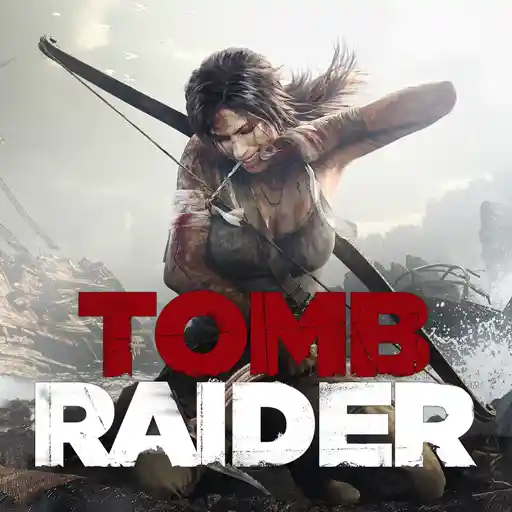
The first weapon Lara crafts on Yamatai is a makeshift bow lashed together from wreckage, and it quietly becomes the most important tool in the entire game. It is her stealth weapon, her hunting weapon, her puzzle tool and, in skilled hands, the equal of any firearm the Solarii carry.

This bow guide covers how the draw works, which upgrades matter, and how the special arrows change fights and exploration. Players still learning the basics may want our Tomb Raider Android game guide first, since the bow ties into salvage, skills and crafting across the whole adventure.

Master the bow and the island changes character. Enemies stop being bullet sponges and become problems of position and patience, which is exactly how Tomb Raider wants to be played.

A note on controls before the details: everything in this guide works on touch, gamepad and mouse alike, though the aiming sections call out where gyro aim and sensitivity settings change the picture for Android players.

Keep the quiver full as a matter of religion. Arrows are crafted from the wooden bundles scattered everywhere, and the moment before a big fight is the wrong moment to discover you have four left. A full quiver and a drawn bow is this game's version of a deep breath.

How Drawing the Bow Works

Holding the fire control draws the string. A full draw takes a moment, flies flat and deals maximum damage; releasing early sends a weaker, arcing shot. A brief zoom while drawn steadies precision, and holding a full draw too long makes Lara's arm shake, so the craft is timing the release rather than camping with the string pulled.

Headshots are the economy of the bow. A fully drawn headshot kills most human enemies outright, silently, which is why patient players finish fights before the alarm spreads. Body shots wound and alert, turning stealth into a firefight the bow still supports but no longer dominates.

Draw discipline, summarised:

  • Draw fully for flat, hard shots
  • Release before the waver grows
  • Aim for the head in stealth
  • Craft arrows whenever wood is near

Upgrades Worth Buying First

Salvage spent on the bow outperforms salvage spent anywhere else early. Damage upgrades extend the range where one headshot settles a fight, faster draw upgrades shorten the dangerous moment before a shot, and stability upgrades tame the full-draw waver that ruins long attempts.

Weapon parts found in tombs and caches unlock the bow's stronger forms, evolving the makeshift longbow through recurve and competition variants. Each tier raises every stat at once, which is why the parts hidden in optional areas are worth the detour the moment you find them.

Upgrade order for most players:

  • Damage whenever available
  • Draw speed
  • Stability for long shots
  • Everything else as salvage allows

Rope Arrows: Weapon and Key

Rope arrows arrive as the bow's first special ammunition, fired at rope-wrapped posts, beams and targets to create lines Lara can climb, slide down or use to pull objects. Half the island's routes are locked behind them, and revisiting early regions with rope arrows in the quiver reveals paths that were invisible before.

In combat, rope arrows pull enemies off ledges, tear down light cover and yank shield bearers off balance. They cost nothing beyond a normal arrow's worth of materials, so experiment freely; Tomb Raider rarely punishes a creative rope.

Rope arrows also open:

  • Climbable lines between posts
  • Ziplines across gaps
  • Pulled-down barriers and cargo
  • Routes back into earlier regions

Fire Arrows and Area Control

Fire arrows turn the bow into an area-denial tool. They ignite fuel barrels, burn cloth barriers, light braziers in puzzle rooms and panic groups of enemies standing close together. Against clustered Solarii, one fire arrow into a barrel does the work of a magazine of pistol rounds.

They also solve exploration problems: silk-wrapped salvage nets, wooden barricades and certain tomb mechanisms all yield to flame. When a room seems to have no way forward, look for something burnable before assuming the route lies elsewhere.

Fire arrows solve:

  • Fuel barrel ambushes
  • Silk-wrapped salvage nets
  • Cloth barricades in tombs
  • Groups standing near lanterns

Stealth: Where the Bow Rules

The bow makes no noise that matters. A headshot from shadow drops an enemy without alerting his partner two metres away, provided the partner is not looking. Work from the edge of a group inward, kill isolated enemies first, and the classic stealth clear, an entire camp emptied without an alarm, becomes routine.

Our combat, weapons and skills guide covers how bow stealth combines with dodge counters and finishers when a quiet plan collapses into open fighting, which it occasionally will.

Bow Versus Firearms

Firearms are louder, faster and hungrier. The pistol and rifle win when enemies are already alerted and closing, because their rate of fire forgives misses the bow cannot afford. The shotgun owns close range entirely. None of that displaces the bow; it defines its role as the opener, the hunter and the silent solution.

Ammunition economics settle the argument. Arrows are crafted from wood scattered across the island and partly recovered from bodies, while bullets are finite and looted. A long expedition favours the weapon that refills itself from the environment.

Hunting for Experience and Salvage

Deer, boar, rabbits and birds across the island are more than scenery. Hunting them grants experience toward skill points and occasionally salvage, and the bow is the natural tool: quiet, precise and reusable. Early regions especially reward five minutes of hunting before the story moves on.

Aim for the head and draw fully. A wounded animal that escapes teaches the draw-timing lesson cheaply, and certain Hunter skills multiply the experience and resources each kill returns, compounding across a long campaign.

Hunting returns:

  • Experience toward skill points
  • Occasional salvage
  • Practice for full-draw timing
  • A calmer way to learn an area

Skills That Empower the Bow

The Hunter branch exists for bow players. Skills there steady aim, extend the full-draw hold, speed up arrow handling and eventually enable the devastating headshot focus that slows time at full draw. Each one is noticeable the moment it unlocks, which is rare praise for a skill tree.

Survivor skills support the bow indirectly by increasing salvage and revealing resources, funding upgrades faster. A bow-focused build usually runs Hunter first, Survivor second, and treats Brawler as insurance for when stealth fails.

Long Shots, Gyro Aim and Touch Tips

On Android, long bow shots are where control method matters most. Gyro aim, tilting the phone slightly to settle the reticle, transforms full-draw aiming on supported devices, while gamepad players should lower stick sensitivity for precision work. Touch-only players benefit from the zoom and from bracing shots at shorter ranges.

At extreme range, arrows drop. Aim a breath above the target and watch the first shot's fall before correcting; Tomb Raider models the arc honestly, and two calm shots beat five hurried ones.

The Bow Inside Challenge Tombs

Several tombs are bow rooms in disguise: rope targets out of reach, hanging weights to pull, flammable barriers guarding the mechanism. Arriving at a tomb without arrows is arriving unprepared, so craft and carry a full quiver before entering, and remember fire arrows where cloth and fuel appear.

Tomb rewards feed the bow in return, weapon parts and skill points, which closes Tomb Raider's favourite loop: the bow opens the tombs, and the tombs make the bow stronger.

Conclusion

The bow is not the weapon Lara starts with until something better arrives; it is the weapon the entire game is built around. Its silence, its special arrows and its self-renewing ammunition make it the right answer to more problems than every firearm combined.

Invest salvage in it early, build Hunter skills around it, and practise the full-draw rhythm until it is automatic. Yamatai belongs to the player whose bow is always ready.

Finally, let the bow shape your route planning. High ground, long sightlines and quiet approaches are bow country, and choosing them deliberately turns the island's hardest camps into shooting galleries. Lara's enemies fear the firearm she scavenged. They should fear the bow she made.

Portrait of Sarah Lindholm

Reviewed by Sarah Lindholm

Adventure Games Reviewer

Sarah Lindholm reviews Android adventure games, with a soft spot for big single player stories that survive the move to mobile. She played the full Yamatai campaign on Android for this site, testing touch, gamepad and keyboard controls, and checks performance, storage and update details on real devices before writing about them.